Representatives from the Observatory were thrilled to participate in two recent DSA40 Data Access Days in Berlin, held on the 25th and 26th of September.
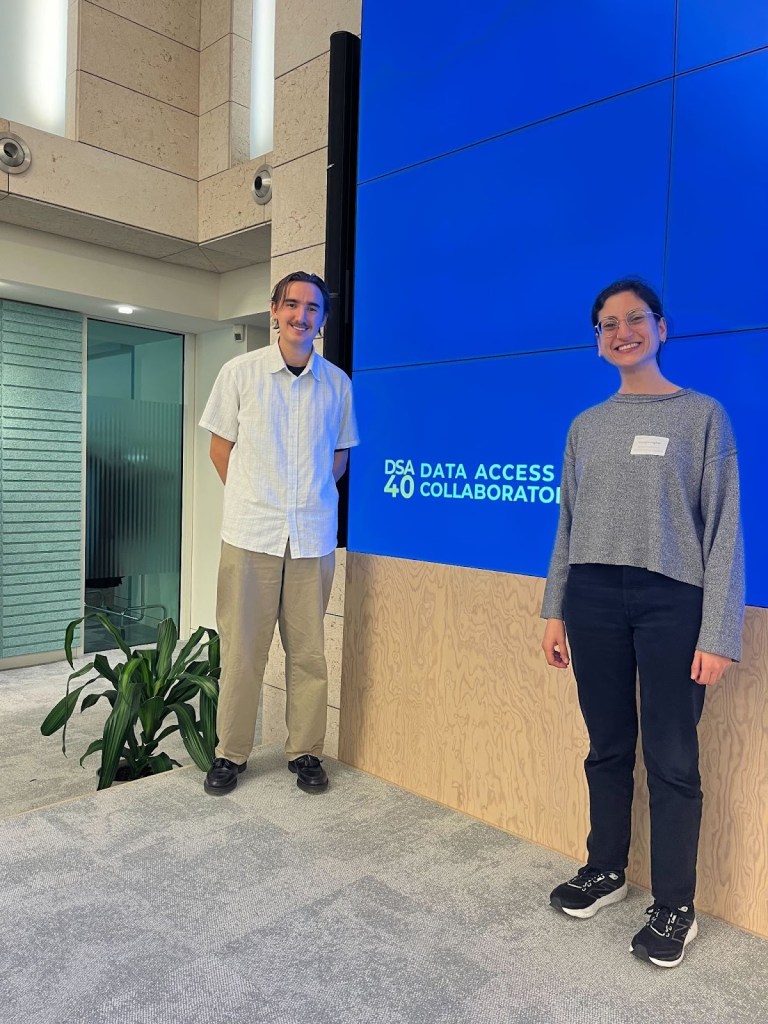
Hosted by the DSA40 Data Access Collaboratory, a joint project between the European New School and the Weizenbaum Institute, these events sought to promote platform data access according to the EU Digital Services Act (DSA) Article 40.
This article, which “includes a provision granting researchers unprecedented access to the data of Very Large Online Platforms (VLOPs) for the purpose of conducting research that contributes to the detection, identification and understanding of systemic risk in the EU”, came into effect in August 2023 and “marks the first right to scientific data access worldwide” in this domain.
Attending the DSA40 Data Access Days enabled the Observatory to develop a deeper understanding of the scope and possibilities of using the Digital Services Act to conduct academic research using platform data.
This is crucial because, for us, access to platform data is crucial to study the full impact of social media on politics, harms, and misinformation, as well as the internal decisions platforms make which shape online conversations.
How Does DSA Article 40 Work?
According to Article 40, all researchers can apply for public (40.12) or private (40.4) data access, regardless of which country they are based in, as long as they fulfill a list of requirements (40.8), and the requested data is used for ‘the sole purpose of conducting research that contributes to the detection, identification and understanding of systemic risks in the [European] Union’ (40.4).
Why Does DSA Article 40 Matter to the Observatory?
Although DSA Article 40 requires that the data requested must be used to study systemic risks to the EU, the Observatory believes that political social media moderation anywhere can pose a risk to the European Union.
Furthermore, while progress is being made in the UK in terms of the Online Safety Act developing data access regulations, the Observatory is committed to engaging with stakeholders across academia and policy to enhance transparency in political social media moderation practices, as well as understand the implications of this on citizens and democracy.
What’s Next for Us?
Equipped with the tools and knowledge developed at the DSA40 Data Access Days, including on how to draft an effective private data access application for a platform, the Observatory will continue to advocate for better data access for research through DSA, and more generally.
Our existing work on the need for transparent data access for academic research shows our commitment to engage with both policy and academic audiences. Recently, we have contributed a:
- Report on Academic Access to Social Media Data for the Study of Political Online Safety, which was cited in a recent Ofcom report, highlighting particular concerns related to data integrity and the accessibility of platform data for academic research
- Commentary article, published in the Journal of Child and Adolescent Health, which outlines a proposed strategy to influence regulation, public opinion, news media and diverse political groups to build a robust oversight structure, to enable more successful academic research using platform data
We also continue to contribute to the UKRI’s Social Platforms Data Access Taskforce, which intends to ‘contribute to Ofcom’s consultation process to ensure that new regulatory powers, to be introduced in the UK’s Data Use and Access Act 2025, are safe, ethical and provide effective research access’.
Attending the DSA40 Data Access Days reinvigorated our commitment to seek better access to platform data for academic research– thank you again to the DSA40 Collaboratory for hosting such an enriching event!
 London Social Media Observatory